


14 Years Ago, Pageant Queen’s Preventative Double Mastectomy Sparked a Global Conversation (Exclusive)
14 Years Ago, Pageant Queen’s Preventative Double Mastectomy Sparked a Global Conversation (Exclusive)

Tabitha ParentThu, October 22, 2026 at 8:00 PM UTC
0
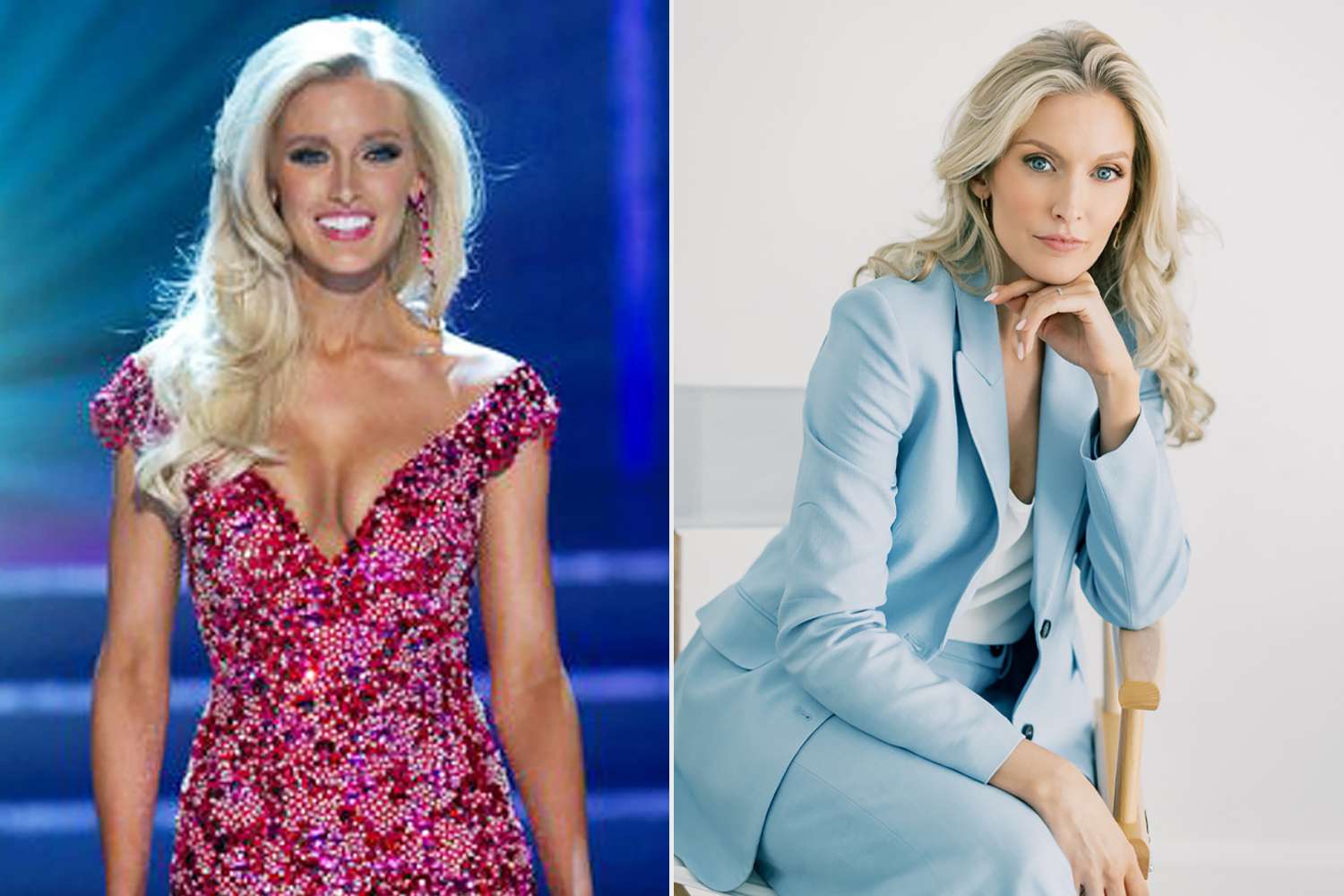
Allyn Rose.Credit: Courtesy of Allyn Rose -
Allyn Rose chose surgery after her mother, grandmother and great-aunt died from breast cancer
The former Miss District of Columbia faced public backlash but continued modeling and sharing her experience
She later founded The Previvor to help women navigate genetic risk, screenings and mastectomy decisions
As a young woman, former pageant queen Allyn Rose, 37, describes herself affectionately as an “offbeat kid” who played in a punk rock band. She was tomboyish, for lack of a better word, and her interests were a far cry from stereotypical teenage girl pursuits.“Never in a million years did I think I’d be walking across the Miss USA stage or modeling for Sports Illustrated or doing any of these things,” she says.Nevertheless, Rose ultimately competed in both the Miss America and Miss USA pageants. She won the Miss Maryland USA title in 2011 and later competed at the national Miss USA pageant that year, placing in the top 8. The next year, she won the Miss District of Columbia title and competed in the 2013 Miss America pageant.Even before competing in beauty pageants, Rose shares that the way she looks impacted her life as it does for many young women.It’s something Rose believes her own mother — who died after receiving a stage 3 breast cancer diagnosis — struggled with deeply as well. Her mother had had one surgery to remove her right breast all the way down to the chest wall, meaning that she was never able to reconstruct it. From the ages of 27 to 47, she walked around with one breast, says Rose.“I remember her telling me this; that was the first thought when she woke up from surgery. It wasn’t, ‘Oh my God, I have cancer. Will I die? Did they get it all?’ It was, ‘I’m not married, I don’t have kids, and what man is ever going to love me with one breast?’” Rose saw it as her mother believing that she had lost something so “closely tied” to the way the world perceives women.“I think a lot of it was this idea of her femininity being tied to her physical body,” she adds, explaining why she believes her mother had opted not to remove the other breast — a decision that ultimately contributed to her death. Her mother, Judy, was not the first woman in Rose’s family to experience the devastating and fatal consequences of the disease. Her great-aunt and grandmother also died after their diagnoses.
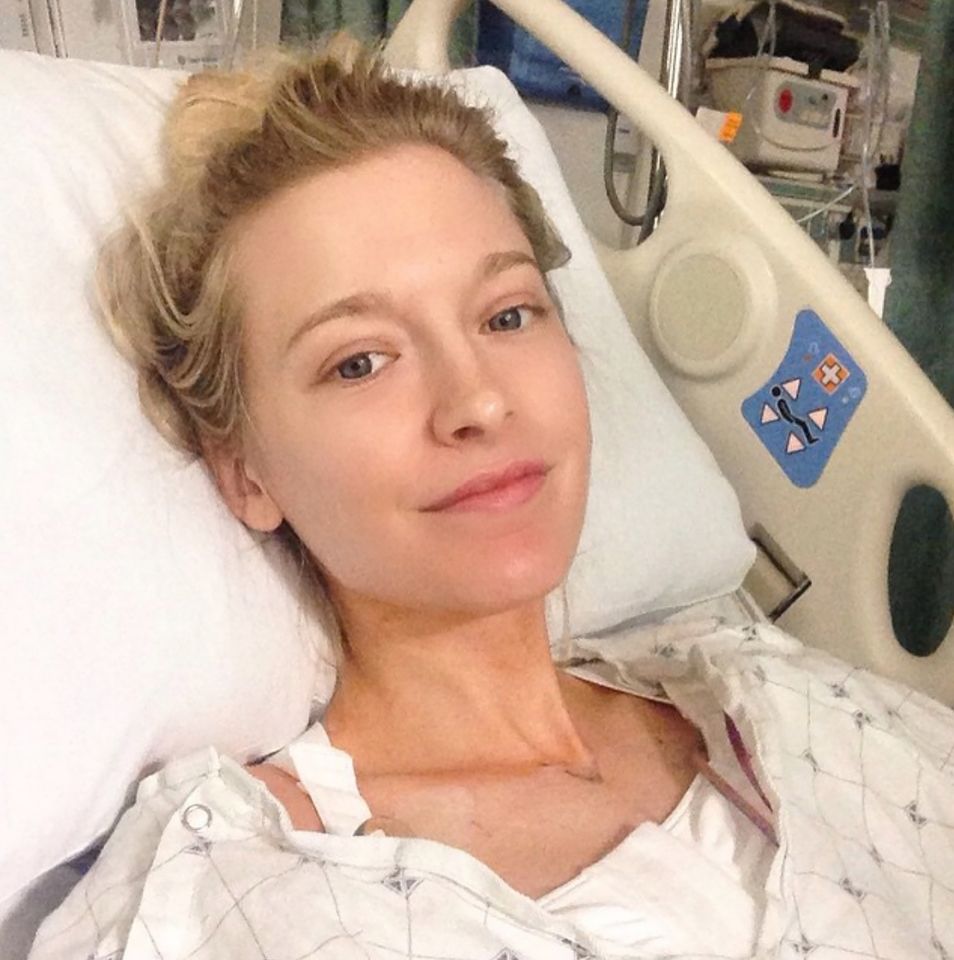
Allyn Rose.Credit: Courtesy of Allyn Rose
“To give up the other [breast] felt like pushing a boulder up a mountain. She would just never get there. She would never be able to be content with her body. And I don’t blame her because as a woman, I can understand where she was coming from,” says Rose, who is clear that she doesn’t fault her mother for not having surgery. Of course, there was still some pain for her, knowing that her mother could have done some form of preventative surgery on the other side and still been around to this day.In 2012, Rose was crowned Miss District of Columbia, meaning that she would represent the district at the 2013 Miss America competition. She was just 24 and had decided that she would undergo a preventative double mastectomy following the completion of her pageant duties. At the time, Rose told PEOPLE that winning the pageant would have made her mother’s “dreams for her come to fruition.”
PEOPLE, says Rose, was the first outlet to pick up her story.“It became this unbelievable viral moment, where it went to almost a billion impressions worldwide. It was everywhere. It was right before Angelina Jolie started talking about her story, which really just ignited this greater conversation about women’s healthcare.”Rose admits that she went into sharing her story “a little bit blind.” She woke up the morning the article dropped on PEOPLE, expecting the story would be a small blurb and that it would feel nice if even one person read it and felt impacted. Instead, she was met with 150 emails from news outlets all over the world, asking for interviews. She had 17 missed calls from the Miss America organization. Friends and family had all dropped lines.“It just ignited this fire and this conversation around preventative healthcare,” says Rose.
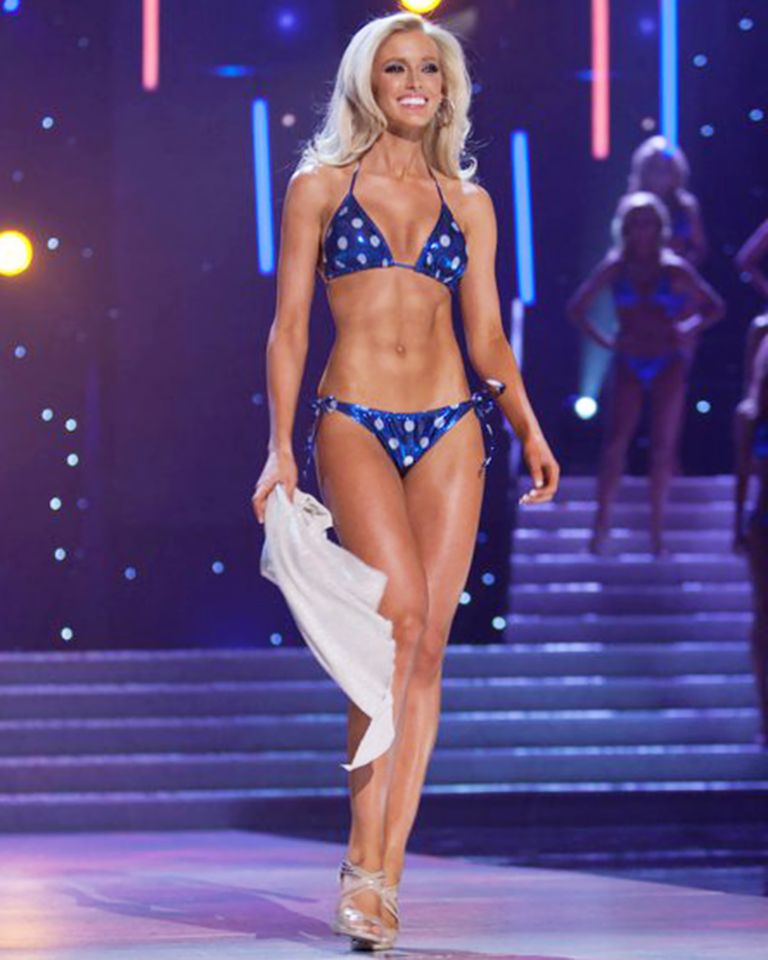
Allyn Rose.Credit: Courtesy of Allyn Rose
The aftermath was profound.“I didn’t understand what an impact it would make or how really ferociously people would feel about it one way or the other,” she recalls. “People were either vehemently supporting me, saying, ‘This is a great decision, you’re so brave,’ and on and on. But then there were people just saying, ‘You’re mutilating your body for a cancer that doesn’t exist yet.’ ”Rose received hate mail. Her father also got hate mail after people learned that he was the one who had inspired her to pursue the mastectomy. Yet, others called her brave and a role model.“It was really hard, going from that period of my life where I was that offbeat kid, I never thought I would be in a beauty pageant to then competing on the world stage in these iconic pageants that so much of it has to do with the way that you look,” she continues.Knowing that so many women in her family — too many women — had died from the disease, Rose was convinced the surgery was the right choice for her.
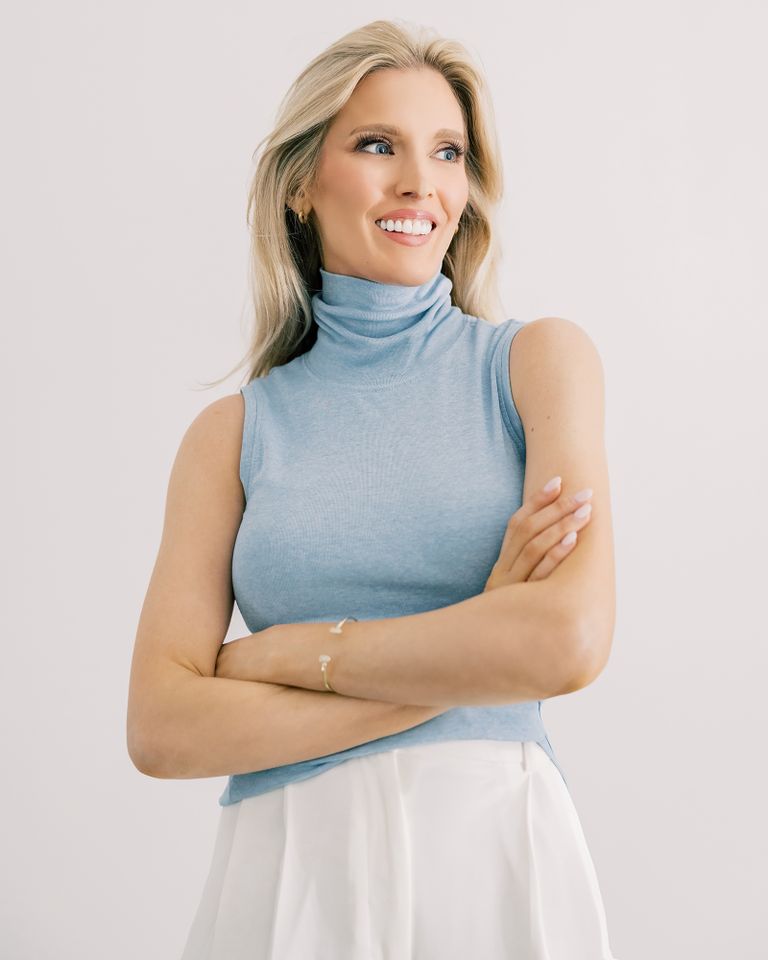
Allyn Rose.Credit: Courtesy of Allyn Rose
“I remember what it was like hearing that my mom had died when I was 16, and I didn’t want any 16-year-old girl to know what it was like to live the rest of her life without her mom. I didn’t want to have that conversation with my little girl someday.”Despite this conviction, Rose also says she had “given up the idea that I could continue to chase my dreams and that these things would be available to me.”Her identity had become so wrapped up in her body. She was learning to make peace with the fact that her body would be different after the surgery and that things would change for her career. She paid rent with her looks as a model. “I had to say, ‘Okay, my future is more important than the reality that I’m living now.’ ”However, as soon as she had her surgery, Rose realized something.“I realized so much of that was just a block that I had in my own head. I was creating limitations for myself. And once I stopped feeling sorry for myself, I think it really just made me realize the world was my oyster. I could continue to put myself out there. I might not look the same, but I was the same.”At the time, there were not a lot of people online sharing their stories and experiences with breast cancer like Rose had publicly. “There was no aspirational figure who was living their life post-mastectomy,” she says.
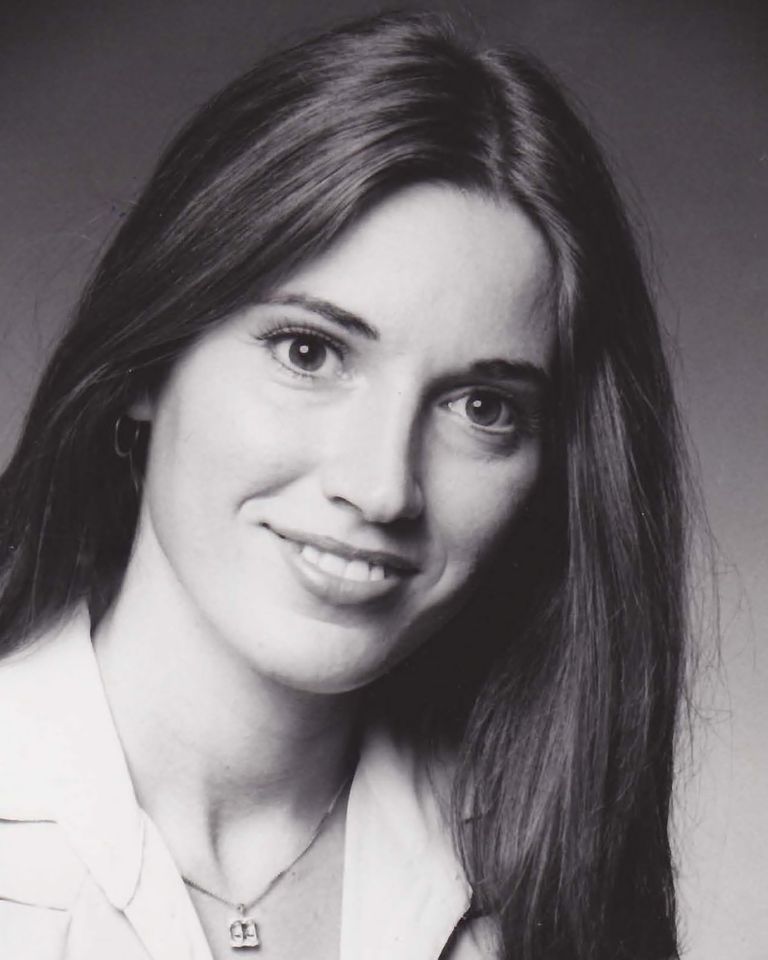
Judy Rose, Allyn’s mom.Credit: Courtesy of Allyn Rose
She spent hours of her life searching the internet, trying to find somebody else who looked like her post-mastectomy to connect with. “I found one woman on a Facebook group and she was willing to send me pictures and videos of what her reconstruction looked like afterwards,” she says. “And it was such a powerful thing for me, this total stranger on the internet sending me these naked photos of herself.”After that, Rose vowed to “be that person for somebody else.” She put herself out there online, sharing photos on social media and eventually expanding to YouTube and TikTok. “It has given me the why for all of this.”People wrote in to say that her journey had inspired them to have a similar surgery, or to get a mammogram or test their embryos to make sure their children didn’t inherit the same gene mutation.Rose recalls: “A girl said, ‘My husband and I decided not to have kids because I carry the breast cancer gene. And now that you shared that this technology exists, we’re going to have a family.’ And they have two little kids now.”After her 2015 surgery, Rose moved to Germany and pursued a law degree. “Pageants were over, modeling was over,” she reminisces.Still, she was “inundated” with messages from women on social media asking all kinds of questions: “How many CCs are your breast implants?” and “Who’s your doctor and what kind of incision?” and “Can you send me a picture of your nipple?”
Advertisement
Rose, of course, said, “Sure!”She was DMing these women day in and day out. Soon, she began to wonder if there was a website, an organization or something similar that had already aggregated all the information she was trying to share.
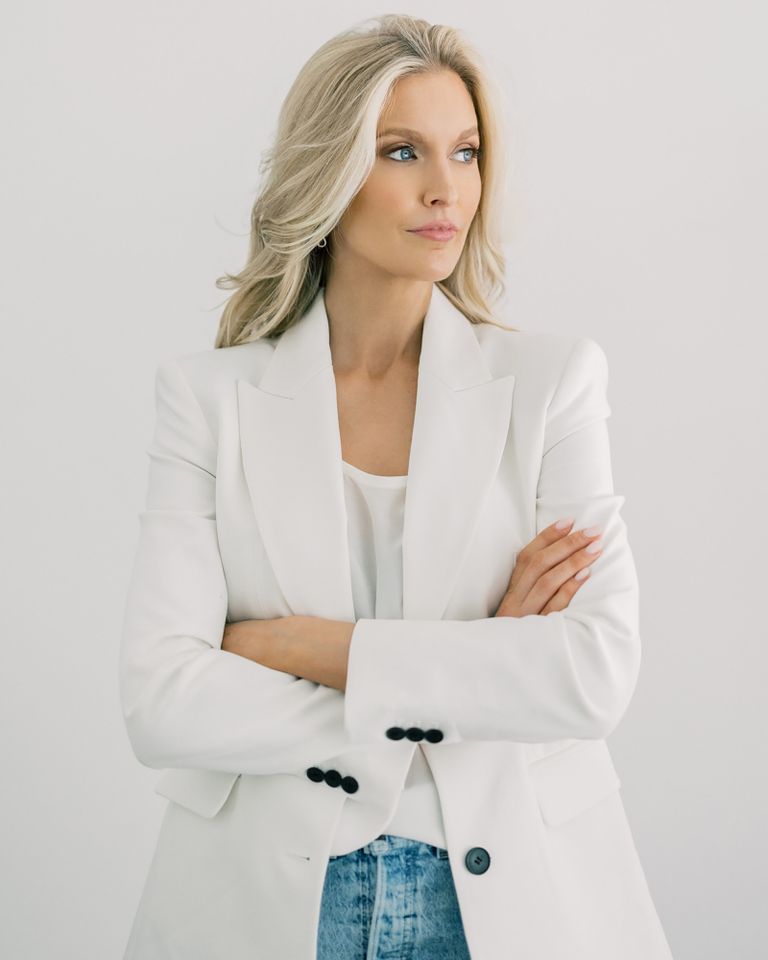
Allyn Rose.Credit: Courtesy of Allyn Rose
“I realized that no one had anything that was a comprehensive information source, not even a breast cancer organization on how to navigate having a mastectomy,” she says.“I thought, this is insane. There are tens and tens of thousands of women every year who are going through this surgery, preventative or not, but there’s no place where they can go and learn all of the information.”As she prepared to write her master’s thesis to finish law school, Rose decided that she wanted to figure out how to build a website. She told herself: “If a guy can do it, I can do it. So I sat down with this rickety old laptop and taught myself how to build a website.”It was the first iteration of The Previvor, which has since grown into a “first-of-its-kind, digital information platform, aimed at putting women back in the driver’s seat of their healthcare choices,” the platform’s website reads.She took everything she had learned from becoming “Dr. Google” over the years, compiled her crowdsourced questions, and tried to answer them in an easily “digestible way.”
“You would Google mastectomy and it was only horrific pictures. It was only gruesome things of people having surgical complications. Nothing was pretty, nothing was easily accessible,” she says.“Nothing felt like, okay, I can dip my toe in the water and learn a little bit without being scarred for life. And so that’s how The Previvor was born. But it took a couple of years. I would say that was probably around 2017, 2018 where I said, okay, this is something.”
As the adage goes, “If you build it, people will come,” Rose shares. “More and more people started relating to it and it just grew and grew.”She reflects on how the breast cancer world has changed over the years.“We are the first generation that’s having to navigate this sort of paradox where it’s amazing that we have the information to know we carry these gene mutations that could impact our cancer risk,” she says, pointing to women like influencer Alix Earle, who recently learned, on an episode of her family’s reality show, that she was a carrier of the BRCA gene like her mom.
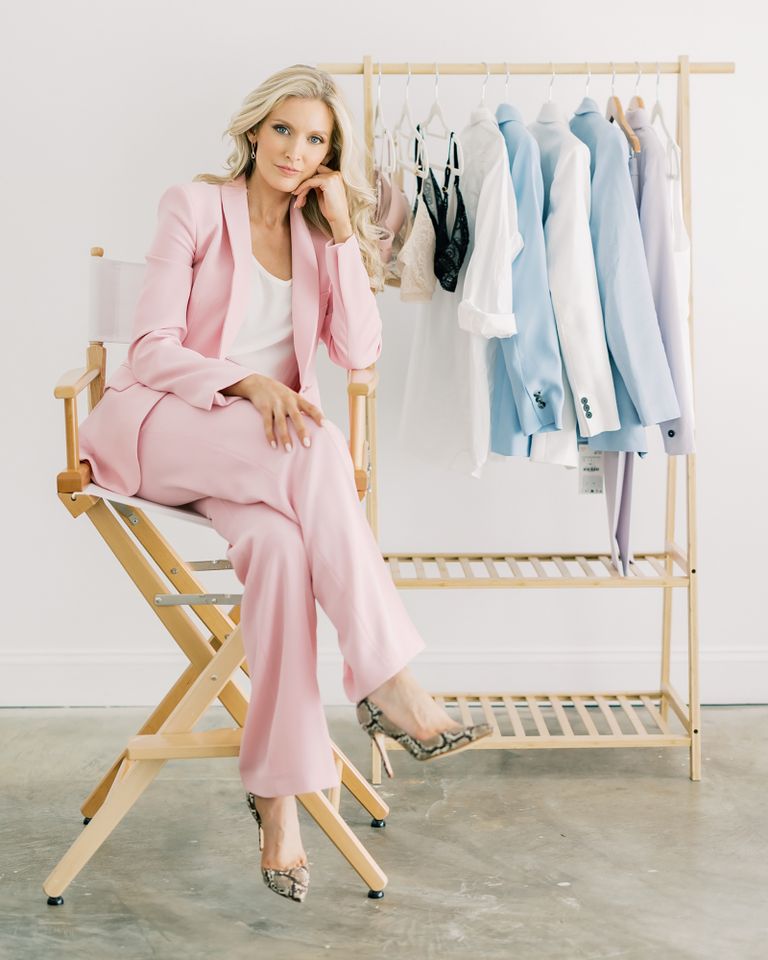
Allyn Rose.Credit: Courtesy of Allyn Rose
“With it comes this burden of having to deal with that information now,” she continues. “So we’re armed with the information that we have an increased risk, but what do we do next? And so for me, I hope that more and more women are gaining access to knowing if they carry a gene mutation. And then next, knowing how to take their health into their own hands.”Simple things like teaching women how to do self breast exams, who to call when you find something concerning, how to advocate for yourself in a doctor’s office.“My dream is that The Previvor can be a place where women can go and have all those questions answered.” She has a fantasy of being able to create a curriculum for young women that teaches them these basic tips.“Most women find their own breast cancer,” she adds. “One of the recent studies I was reading, I think it said upwards of 80% of young women who are diagnosed with breast cancer, so in their 20s and 30s, they find it themselves either by accident or through a self-exam.”She thinks of her young daughters, who will grow up with this knowledge.“I spent so much of my life in my 20s talking about my future husband and my future life and my future kids, and I’m living that future now,” she tells PEOPLE. “I have these two perfect, beautiful girls that don’t carry the gene mutation I have that has killed so many people in my family.”For her girls, cancer is not even a part of the conversation. “I’ve done everything that I can to be their mom and everything that I can to make sure that they are healthy.”“To all the women out there dealing with the uncertainty of It’s possible and you will be okay because it’s such a burden to hear and it feels like this life sentence of trauma and issues and problems, but there’s something at the end of that rainbow; you get there.”
on People
Source: “AOL Entertainment”
